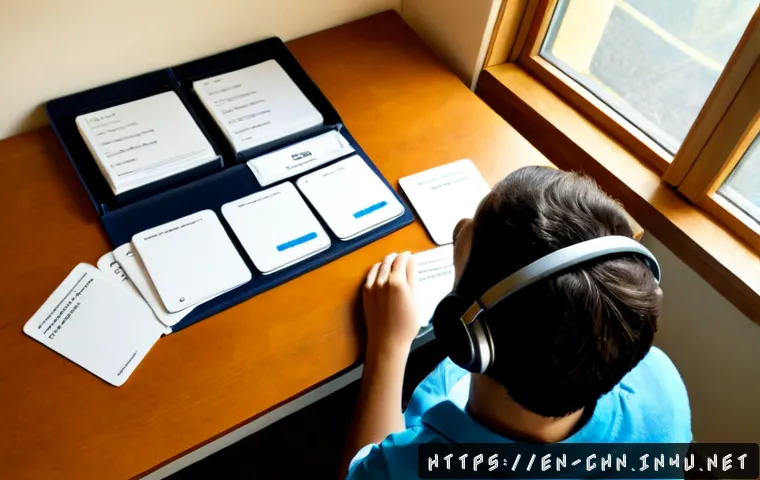
For most HSK test takers, listening and reading deserve the largest share of study time, while writing becomes more important at higher levels. The best priority is not the skill you enjoy most, but the section most likely to limit your target score.

Vocabulary matters, but memorizing isolated words will not fully prepare you for test-speed audio, reading context, or familiar question formats. A practice test can reveal whether your main problem is recognition, speed, accuracy, or written output.
Self-study may be enough for a clear, manageable weakness, while a mock-test subscription, group course, or private tutor can be more useful when you need realistic practice or direct feedback.
Before booking an HSK exam, confirm the current format and the level accepted for your specific university, work, or certification purpose.
At a Glance
- Listening and reading are central assessed skills across commonly taken HSK levels.
- Writing practice generally becomes more important as HSK levels become more advanced.
- The most efficient plan targets your weakest score bottleneck, not vocabulary size alone.
| Preparation Option | Best Use Case | What to Compare Before Choosing |
|---|---|---|
| Self-study books and materials | Building vocabulary, reviewing grammar, and practicing one clearly identified weakness | Current test alignment, answer explanations, audio quality, and writing guidance |
| Mock-test subscription | Improving timing, question-format familiarity, and identifying score bottlenecks | Volume of realistic practice tests, review tools, section-level results, and access period |
| Group HSK preparation course | Following a structured schedule with broad coverage of the exam skills | Class level, practice-test frequency, teacher feedback, and pace of the syllabus |
| Private Chinese tutor | Fixing persistent listening, reading, or writing problems with individualized feedback | Tutor experience with HSK formats, feedback method, lesson focus, and total cost |
What to Prioritize First for a Better HSK Score
The Short Answer: Focus on the Section That Limits Your Target Score
Your study priority should be the skill that prevents you from reaching the result you need. If you understand many words but miss the meaning in spoken Chinese, listening speed and comprehension may matter more than another vocabulary list. If you understand passages slowly, reading under test conditions may be the stronger priority.
Start by identifying one main weakness and one supporting weakness. For example, a learner may need listening as the main focus and vocabulary-in-context as the supporting focus. This keeps the plan practical instead of trying to improve every skill equally.
Why Vocabulary, Comprehension, and Test Speed Must Work Together
Vocabulary is a foundation, but recognition alone does not guarantee a strong HSK score. You also need to understand words in context, distinguish similar meanings, follow spoken material at test speed, and recognize familiar question patterns.
A learner who knows a word list but pauses over every sentence may still struggle in reading. Likewise, a learner who recognizes characters on a flashcard may not recognize the same language quickly in an audio question. Use vocabulary study as part of listening and reading practice, not as a separate finish line.
A Quick Self-Check Before Building a Study Schedule
- Do you miss answers because you do not know the words, or because the audio moves too quickly?
- Can you understand reading passages without a timer but lose accuracy when working faster?
- Does your target HSK level include writing requirements that need regular output practice?
- Have you completed a practice test in conditions close to the exam format?
Your answers help determine whether self-study materials, a mock-test platform, or direct tutor feedback offers the better value.
Compare the Core Skills: Listening, Reading, Writing, and Vocabulary
Listening: Recognizing Meaning at Test Speed
Listening is not only about hearing individual words. You need to catch the relationship between ideas, follow the context, and select an answer before uncertainty builds. Practice with HSK-style audio and review why an answer was correct or incorrect.
If listening is your weak area, repeat short sections, notice the words you failed to recognize, and connect them to the full sentence meaning. Avoid treating every missed item as a vocabulary failure. Sometimes the real issue is processing speed or lack of exposure to the question format.
Reading: Accuracy, Scanning, and Context Clues
Reading requires accurate recognition, but it also rewards efficient attention. You may need to scan for a relevant detail, infer meaning from context, or distinguish between similar answer choices. Timed reading practice helps reveal whether your difficulty is word knowledge or pacing.
When reviewing errors, label them clearly: unknown vocabulary, misunderstood grammar, missed context clue, or rushed choice. This makes your next study session more useful than simply rereading the same passage.
Writing: When Output Practice Becomes Essential
Writing requirements are generally more prominent at higher HSK levels than at beginner levels. If your intended exam includes a writing component, do not leave it until the final stage of preparation. Output skills need time because they involve recall, organization, and accuracy rather than recognition alone.
A private Chinese tutor or an HSK preparation course may be especially useful when you need feedback on written output. Before paying, check whether the program actually reviews writing in detail or only provides general model answers.
Vocabulary and Grammar: Foundations Rather Than Isolated Memorization
Vocabulary and grammar support every section. Still, they work best when learned through sentences, short passages, listening clips, and realistic questions. This approach helps you recognize how language changes meaning in context.
Use word lists to organize review, but test yourself in both directions: recognize the word in reading and understand it when spoken. Focus on recurring errors rather than adding large amounts of new material without review.
Choose a Preparation Method Based on Time, Budget, and Weak Areas
When Self-Study Materials Are Enough
Self-study can be a strong choice when you know your target level, have enough time to follow a schedule, and can review mistakes honestly. Books, audio practice, and verified practice materials can cover vocabulary, reading, and basic listening work effectively.
It is often less suitable when you repeatedly make the same writing mistakes or cannot determine why your answers are wrong. In those cases, feedback may be more valuable than simply purchasing more materials.
When Mock-Test Subscriptions Provide Better Value
A mock-test subscription can be useful when your knowledge feels stronger than your results under time pressure. Practice tests can show whether vocabulary, listening speed, reading accuracy, or writing is the main bottleneck.
Look for realistic question formats, clear explanations, and enough practice volume to track patterns. A platform with many tests is not automatically better if the materials are outdated or do not match the format used by your test center.
When a Group Course or Private Tutor May Be Worth the Cost
A group HSK preparation course can help learners who need a fixed routine and broad coverage. It may be a practical fit if you benefit from scheduled lessons and want guidance across multiple skills.

A private tutor may be worth considering when one weakness is holding you back, especially writing feedback, persistent listening confusion, or inefficient reading habits. Compare how feedback is delivered, whether lessons use HSK-style tasks, and whether the tutor can adapt lessons to your current ability.
Questions to Ask Before Paying for an HSK Preparation Program
- Does the course cover the HSK level and current format I plan to take?
- How much timed mock-test practice is included?
- Will I receive specific feedback on listening, reading, or writing errors?
- Are the materials verified and appropriate for my test center’s current requirements?
- Does the course focus on my weak section, or does it repeat topics I already manage well?
Avoid Common Study Mistakes That Lower Test Performance
Memorizing Word Lists Without Listening or Reading Context
Word lists can build a base, but isolated memorization may create false confidence. Add every difficult word to a sentence, listening clip, or reading question so you practice meaning in use.
Taking Too Few Timed Practice Tests
Untimed study does not fully show how you perform under pressure. Use practice tests to observe pace, concentration, and familiar question formats. Review the cause of each error before moving to another test.
Ignoring Writing Until the Final Weeks
If writing is part of your HSK level, regular short practice is safer than a late rush. Writing requires active recall, and feedback is often more helpful than silently comparing your work with a model response.
Using Outdated or Unverified Practice Materials
Check that materials reflect the exam you are actually planning to take. Official format, registration availability, scoring, and accepted level requirements can vary by test center, institution, country, and purpose.
Study Priorities by Goal and Current Ability
Beginners Building Basic Comprehension
Begin with high-frequency vocabulary, basic grammar patterns, and short listening and reading tasks. The priority is reliable comprehension, not speed alone. Build the habit of recognizing familiar language in both text and audio.
Intermediate Learners Targeting a Required Certificate Level
Intermediate learners should connect every study activity to the required HSK level. Use timed practice to identify whether reading speed, listening accuracy, or writing is the limiting section. A structured HSK preparation course may help if you need a clear schedule across several skills.
Advanced Learners Improving Speed, Accuracy, and Written Output
At higher levels, small comprehension gaps and slow decision-making can matter more. Focus on nuanced context, efficient reading, sustained listening attention, and regular writing practice where required. Targeted tutor feedback can be useful when output quality is difficult to assess alone.
Test Takers With Limited Study Time Before Registration
Do not try to rebuild every area at once. Take a diagnostic practice test, choose the largest score bottleneck, and use most of your time there. Confirm registration details and the required level before making a final preparation decision.
Selection Criteria and Comparison Summary
Choose the resource that matches your most expensive mistake: using self-study materials when you need feedback, buying tutoring when you mainly need timed practice, or taking a broad course when one section is the real problem. Compare course format, feedback access, practice-test volume, material reliability, and total cost before enrolling. Check whether mock tests resemble current conditions, whether writing is reviewed if needed, and whether the schedule fits your available study time. Compare course format, feedback access, and practice-test volume before enrolling. Official details and specific conditions should be checked on the relevant test center, course, tutor, or platform page.
Closing Thoughts
The most important HSK subject is usually the one that currently limits your overall performance. Listening and reading should remain central for many learners, while writing needs earlier attention at higher levels. Build a plan from practice-test evidence rather than assumptions about your vocabulary level. A focused preparation method is usually more useful than adding more study resources without a clear reason.
Useful Information
1. Confirm which HSK level your university, employer, or other organization accepts. 2. Check the current format and availability at your intended test center. 3. Keep an error log by skill, not just a list of wrong answers. 4. Use realistic timed practice before relying on a study plan.
Important Notes
HSK formats, section timing, registration availability, scoring, and accepted level requirements may vary by location and purpose. Individual course fees, tutor rates, subscription features, and score outcomes also vary. No study resource can guarantee a particular result, so verify current official requirements and evaluate preparation options based on your actual weak areas.
Frequently Asked Questions
Q1. Which HSK section should I study most if I have limited time?
A1. Study the section most likely to limit your target result. A timed practice test can help you distinguish between weak vocabulary, slow listening, reading accuracy problems, or writing needs. For many learners, listening or reading provides the clearest starting point because both are central assessed skills.
Q2. Is an HSK preparation course worth the cost compared with self-study?
A2. It can be worthwhile when you need structure, realistic practice, or feedback that self-study cannot provide. Self-study may be enough when your weakness is clear and you can follow a consistent plan. Compare course format, teacher feedback, mock-test access, and the relevance of materials before deciding.
Q3. How many mock tests should I take before booking the HSK exam?
A3. There is no single number that fits every learner. Take enough practice tests to identify consistent patterns in timing, listening, reading, and writing performance, then review the mistakes carefully. The goal is not simply to complete more tests, but to understand what is lowering your performance.