
Tracking your HSK scores and maintaining a personal record can be a game-changer in your language learning journey. It not only helps you monitor your progress but also identifies areas where you can improve.
Many learners find that having a clear overview of their results motivates them to stay consistent and set realistic goals. Plus, organizing your scores over time provides valuable insights when planning your next steps or preparing for advanced levels.
Whether you’re aiming for certification or simply want to measure your growth, keeping detailed records is a smart strategy. Let’s dive deeper into how you can effectively manage and use your HSK scores to boost your Mandarin skills!
Organizing Your HSK Results for Clear Insights
Creating a Dedicated Tracking System
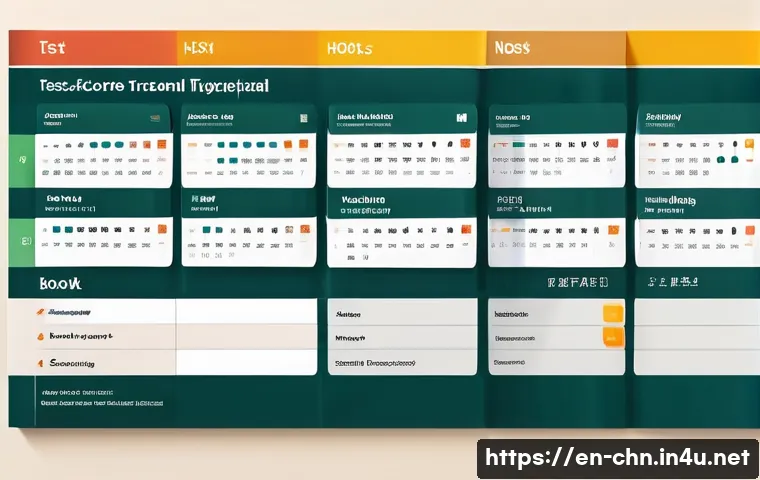
Setting up a dedicated system to record your HSK scores is an essential first step. I personally found that using a simple spreadsheet works wonders. You can create columns for each test date, level, individual section scores (listening, reading, writing), and overall totals.
The beauty of this approach is that it lets you see patterns over time—whether your listening skills are improving steadily or if your writing needs more focus.
Plus, having everything in one place removes the guesswork and keeps your motivation high because you can literally watch your progress unfold.
Visualizing Progress with Graphs and Charts
Numbers alone can feel a bit dry, so I recommend visualizing your data to make it more engaging. Tools like Excel or Google Sheets allow you to turn your scores into colorful line graphs or bar charts.
When I started charting my HSK results, it was eye-opening to see how my scores fluctuated after each exam. This visual feedback helped me adjust my study plans more effectively.
For example, a dip in reading scores pushed me to spend more time with practice passages, while steady gains in listening encouraged me to keep using podcasts and videos.
Utilizing Apps and Digital Tools
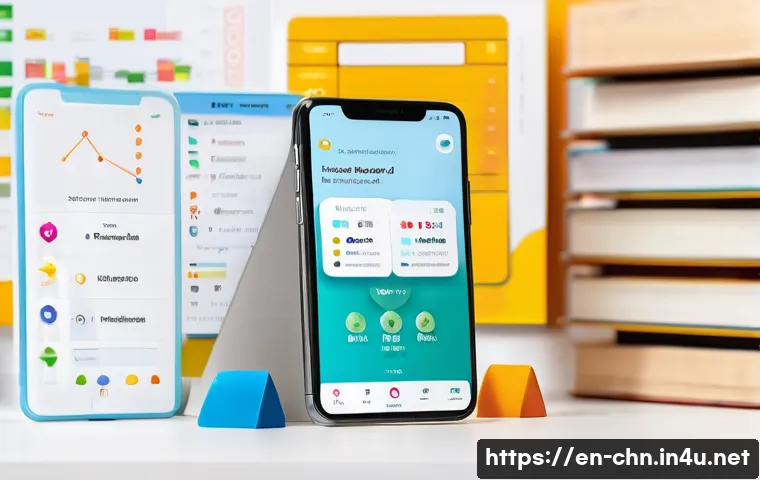
If you’re more of a tech enthusiast, there are apps designed for language learners that let you track test scores alongside your study habits. Some apps even allow you to set reminders for upcoming exams or milestones.
I tested a few and found that those integrating score tracking with goal-setting features helped me maintain consistency. The key is to pick a tool that fits your lifestyle—whether it’s a mobile app for quick updates or a web-based platform for detailed analysis.
Identifying Strengths and Weaknesses Through Score Analysis
Breaking Down Sectional Performance
Analyzing your HSK scores by section is incredibly revealing. For instance, if your listening score consistently outperforms your writing, that’s a clear sign where to channel your energy.
In my experience, pinpointing these weak spots made my study sessions more efficient. Instead of spreading myself thin, I could focus on vocabulary drills for writing or listening exercises for comprehension.
This targeted approach not only improved my scores but also saved me from burnout.
Tracking Improvement Over Time
Sometimes progress feels invisible day-to-day, but tracking scores over multiple tests reveals real growth. When I looked back at my first few HSK exams, I realized how far I’d come, even though at the time I felt stuck.
Keeping a record gave me perspective and kept my spirits up during plateaus. It also helped me celebrate small wins, like a 5-point increase in the reading section, which made the whole journey feel worthwhile.
Adjusting Study Plans Based on Data
Score tracking isn’t just about numbers; it’s a feedback loop for your study strategy. When I noticed a recurring low score in the writing section, I switched from passive learning to active writing practice, such as journaling in Mandarin and getting feedback from native speakers.
This shift was a game-changer. It shows that a clear record of your results can directly inform smarter study decisions, making your preparation more personalized and effective.
Setting Realistic Goals with Your HSK Records
Short-Term vs. Long-Term Goal Planning
Having your scores laid out helps you set both short-term and long-term goals. For example, if you scored 210 on HSK Level 3, aiming for 250 on your next attempt is a reasonable short-term goal.
Meanwhile, long-term ambitions like achieving Level 5 or 6 become more tangible when you see incremental improvements. Personally, breaking my goals down this way prevented overwhelm and kept me focused.
It’s all about creating a roadmap that feels achievable yet challenging enough to push you forward.
Motivation Through Milestone Tracking
Nothing beats the motivation boost that comes from hitting milestones. I found that rewarding myself after reaching certain score thresholds, like completing Level 4 with a solid score, kept me engaged.
Whether it’s treating yourself to a favorite snack or taking a day off to relax, linking rewards to your progress creates positive reinforcement. Your score records make it easy to identify these milestones and celebrate your hard work.
Adapting Goals Based on Performance Trends
Sometimes your initial goals might need tweaking, and that’s perfectly okay. If your scores plateau or drop, your records will highlight this early, allowing you to adjust your expectations or methods.
I learned that flexibility is key—rigid goals can lead to frustration, but adaptive ones keep you moving forward. When my reading scores stalled, I shifted focus to intensive reading sessions and vocabulary building, which eventually paid off.
Leveraging Your HSK Data for Exam Preparation
Targeted Practice Based on Weak Areas
Your score history serves as a map for targeted practice. For example, if your listening comprehension is lagging, dedicating extra time to listening drills, podcasts, or shadowing exercises can be more productive than general study.
I found that drilling specific question types that I struggled with helped me improve much faster than random practice. This focused preparation increases confidence and reduces exam-day anxiety.
Planning Review Sessions Efficiently
When you know which sections need the most attention, you can allocate your study time more efficiently. I used to cram all topics equally, but tracking scores taught me the importance of prioritizing weak spots.
Scheduling regular review sessions based on your data ensures that you don’t neglect any area but also don’t waste time on sections you already master.
This balanced approach made my study routine more sustainable and effective.
Simulating Test Conditions for Better Results
Using your score records, you can identify the types of questions or sections that give you the most trouble. Then, simulating those parts under timed conditions can be a game-changer.
When I started doing mock exams focusing on my weak sections, I noticed a big jump in my actual test scores. Familiarity with the test format and timing reduces stress and sharpens your skills in a realistic setting.
Maintaining Consistency with Your Language Learning Routine
Using Scores to Build Accountability
Keeping a record of your HSK scores creates a sense of accountability. I found that knowing I’d log my results kept me more disciplined and consistent.
It’s like having a personal coach nudging you to stay on track. Sharing your progress with friends or study groups can also boost accountability and make learning feel less isolating.
Tracking Study Habits Alongside Scores
Pairing score tracking with logging your study habits offers deeper insights. For example, noting how many hours you studied or what resources you used before each test helps correlate effort with results.
I started logging study hours alongside my HSK scores and discovered that quality mattered more than quantity. This awareness helped me optimize my routine for better outcomes.
Preventing Burnout Through Balanced Progress Monitoring
It’s easy to get discouraged if you focus only on numbers. Keeping detailed records helps you recognize when you need to slow down or switch tactics. I learned that sometimes resting or changing study methods leads to better long-term results than pushing too hard.
Balanced progress monitoring ensures your language learning remains enjoyable and sustainable.
Comprehensive Overview of HSK Score Tracking Components
| Component | Description | Benefits |
|---|---|---|
| Test Date | The date you took each HSK exam | Helps track progress chronologically and plan future tests |
| HSK Level | The specific level of the exam (1 through 6) | Clarifies your current proficiency and goals |
| Section Scores | Individual scores for listening, reading, and writing | Identifies strengths and areas needing improvement |
| Total Score | Overall score combining all sections | Measures overall proficiency and progress |
| Study Hours | Time spent preparing before each exam | Correlates effort with results for better planning |
| Notes | Personal observations or challenges during study | Provides qualitative insights to adjust strategies |
Conclusion
Tracking your HSK results thoughtfully can transform your language learning journey. By organizing your scores, analyzing patterns, and setting realistic goals, you create a clear path to improvement. This approach not only boosts motivation but also helps you study smarter, not harder. Remember, consistent reflection and adjustment are key to mastering the HSK exams effectively.
Useful Tips to Keep in Mind
1. Regularly update your score tracking system after each test to maintain accurate progress records.
2. Use visual tools like graphs or charts to make your improvements more tangible and motivating.
3. Combine score tracking with notes on your study habits to identify what methods work best for you.
4. Set both achievable short-term goals and ambitious long-term targets to stay focused without feeling overwhelmed.
5. Celebrate milestones with small rewards to keep your enthusiasm high throughout your preparation.
Key Takeaways
Maintaining a structured record of your HSK scores is essential for targeted learning and growth. Analyzing your sectional results reveals your strengths and weaknesses, guiding efficient study plans. Flexibility in goal setting and adapting your strategies based on data prevents burnout and frustration. Ultimately, a personalized, data-driven approach keeps you motivated and on track toward language proficiency.
Frequently Asked Questions (FAQ) 📖
Q: Why is it important to keep a personal record of my HSK scores?
A: Keeping a personal record of your HSK scores is crucial because it allows you to track your progress over time, which can be incredibly motivating. When you see how much you’ve improved, it boosts your confidence and encourages you to stay consistent with your studies.
Additionally, reviewing your scores helps you pinpoint specific areas where you might be struggling—whether it’s vocabulary, grammar, or listening skills—so you can focus your efforts more effectively.
From my own experience, having a clear record made it easier to set achievable goals and prepare strategically for higher-level exams.
Q: What’s the best way to organize and use my HSK score records?
A: The most effective way to organize your HSK scores is to create a simple tracking system, like a spreadsheet or a dedicated notebook. Include the test date, level, individual section scores, and any notes on what you found challenging.
This helps you visualize trends and identify patterns in your learning. I personally found that reviewing this data before each study session helped me tailor my practice to weaker areas, making my study time more efficient.
Plus, when preparing for certification, having all your past results in one place makes it easier to plan your next steps and measure readiness for advanced levels.
Q: How can tracking HSK scores motivate me to improve my Mandarin skills?
A: Tracking your HSK scores creates a tangible record of your progress, which is a powerful motivator. Instead of feeling overwhelmed by the language learning process, you get to celebrate small wins, like improving your listening score or mastering a new set of vocabulary.
For me, seeing incremental improvements kept the momentum going, especially during tough study phases. It also helps prevent burnout by setting realistic goals based on your actual performance rather than guesswork.
When you know exactly where you stand, your study sessions feel more purposeful, and that sense of accomplishment fuels your desire to push further.